
Find Your Voice in Vladivostok: Vocal Techniques, Online Singing Lessons, and Performance Tips for Beginners and Pros
Find Your Voice in Vladivostok: Vocal Techniques, Online Singing Lessons, and Performance Tips for Beginners and Pros
Vladivostok’s salty sea air, vibrant arts scene, and mix of Russian and Asian musical traditions make it an inspiring place to develop your voice. Whether you’re just starting or you’re a seasoned performer, this guide brings together practical vocal techniques, smart use of online singing lessons, and performance- and emotion-focused tips tailored to singers living in or connected to Vladivostok.
Why local context matters
— The maritime climate can make throats feel dry or congested — stay hydrated and use a humidifier in winter.
— Vladivostok’s active cafés, small clubs, and university events offer intimate performance opportunities — great for building stage experience.
— Use local repertoire (Russian art songs, contemporary Russian pop, and regional folk) to connect with audiences and practice linguistic nuance and expression.
Preparing to sing: daily basics
— Hydration: sip room-temperature water throughout the day. Avoid large cold drinks right before singing.
— Rest: aim for consistent sleep; vocal fatigue accumulates.
— Warm-up: 10–20 minutes of progressive warm-ups before singing (see warm-up routine below).
— Posture: stand or sit tall with relaxed shoulders, ribcage free to expand.
Breathing techniques
— Diaphragmatic breathing: inhale quietly allowing the belly and lower ribs to expand; exhale on a hiss for 6–10 seconds to build control.
— Appoggio concept: balance between inhalation support and flexible release. Think of controlled release rather than forcing air out.
— Breath-management drills:
— Inhale 4 counts — hold 2 — exhale steady for 8 counts. Repeat 6–8×.
— S- or Z-exhale on a single pitch, maintaining steady volume for as long as comfortable.
— Staccato bursts: short, supported breaths for rapid rhythmic phrases.
Articulation and diction
— Warm-up consonants separately: practice crisp plosives (p, t, k) and smooth sonorants (m, n, l).
— Vowel placement: aim for open, consistent vowels—use small adjustments in mouth shape rather than throat tension.
— Language practice: for Russian repertoire, focus on soft vs. hard consonant contrasts and vowel reduction patterns; for English or other languages, practice connected speech to maintain vowels in melodic lines.
— Exercises:
— Lip trills on scales to coordinate breath and articulation.
— Singing on single vowels (ah, ee, oo) through scales to clear resonance.
Voice placement and resonance
— Sensation focus: front-of-face (mask) resonance helps projection without strain.
— Mixed voice: blend chest and head registers smoothly; practice sliding sirens from low to high to feel the transition.
— Exercises:
— Sirens from low to high on “ng” (like the end of “sing”) to find forward resonance.
— Octave arpeggios on “me” or “nay” to strengthen mix.
Warm-up routine (10–20 minutes)
1. Gentle hums or lip trills (2–3 minutes).
2. Diaphragmatic breathing with sustained hiss (2 minutes).
3. Sirens and slides across range (2–4 minutes).
4. Scales and arpeggios on vowels (4–6 minutes).
5. Diction drills and short phrase work (2–3 minutes).
Adjust time based on your schedule and vocal needs.
Tips for beginners
— Start simple: focus on posture, breath, and pitch-matching before tackling complex repertoire.
— Short, consistent practice > occasional long sessions. 20–30 minutes daily builds steady progress.
— Record practice sessions to hear intonation and phrasing objectively.
— Find a teacher (locally or online) who emphasizes healthy technique and clear goals.
Tips for experienced singers
— Maintain range with targeted weekly exercises for high and low extremes.
— Use repertoire to develop colors and character — experiment with dynamics, timbre, and stylization.
— Work on micro-phrasing: subtle breath placement and vowel modification for expressive lines.
— Cross-train: acting, movement, or Alexander Technique can refine stage presence and reduce tension.
Performance preparation
— Rehearsal plan: block practice into mental run-throughs, technical runs (for trouble spots), and full song performances.
— Mock performances: sing for friends or record video to simulate live conditions and get used to adrenaline.
— Soundcheck checklist: test mic distance, monitor mix, and any reverb settings. If playing in Vladivostok clubs, ask about room acoustics — reflective sea-air venues can be bright.
— Set list pacing: balance ballads and uptempo numbers to manage breath and maintain audience energy.
— Pre-show routine: warm up in a quiet space, hydrate, and do 5–10 minutes of focused breathing to center yourself.
Using online singing lessons effectively
— Choose the right platform: Zoom, Skype, or specialized music-teaching apps are all viable — prioritize low latency and clear audio.
— Equipment: a condenser USB mic with a pop filter and good headphones improves audio quality for lessons.
— Prepare files: send recordings or video clips to your teacher ahead of time so lessons can focus on targeted feedback.
— Scheduling: Vladivostok is far east in Russia, so coordinate time zones with international teachers — many offer late-afternoon or evening slots that work locally.
— Structured progression: ask for clear weekly goals, homework exercises, and measurable milestones.
Emotional development through voice
— Voice as storytelling: focus on intention behind phrases — who are you speaking to, and what’s the emotional shape of the line?
— Imagery and memory techniques: use sensory images to trigger emotional authenticity without forcing the sound.
— Safe vulnerability: practice expressing emotions in small steps; build trust with a teacher or coach if exploring personal material.
— Mind-body connection: incorporate short grounding or mindfulness exercises to reduce performance anxiety and access honest expression.
Health and maintenance
— If you feel pain or persistent hoarseness, rest and consult an ENT or a voice specialist — don’t push through pain.
— Avoid smoking and excessive alcohol before singing; minimize throat irritants.
— Seasonal care: in cold months in Vladivostok, use a humidifier and warm beverages; when traveling for gigs, protect your voice from rapid temperature changes.
Local opportunities and community in Vladivostok
— Look for open mic nights at cafés, university events, and small concert venues to build experience.
— Join local music and cultural groups on social platforms to find collaborators and practice partners.
— Combine online lessons with occasional in-person coaching or workshops when available to check posture and physical technique.
Quick practice checklist (for a 30-minute session)
— 5 min: breath & posture warm-up
— 5 min: lip trills and sirens
— 10 min: technical work (scales, register transitions)
— 5 min: repertoire focus (learn or polish a phrase)
— 5 min: cooldown and notes for next session
Final notes
Whether you’re preparing for a café gig on Svetlanskaya, polishing a competition piece, or taking lessons online with a teacher across time zones, consistent smart practice and attention to vocal health will bring progress. Embrace the unique cultural backdrop of Vladivostok to shape your musical identity — and remember that technique and emotional truth together make the most compelling performances.
If you want, I can recommend a warm-up audio track, a sample 4-week practice plan tailored to your current level, or tips for choosing an online teacher who fits your goals. Which would you like next?

Вам также может понравиться
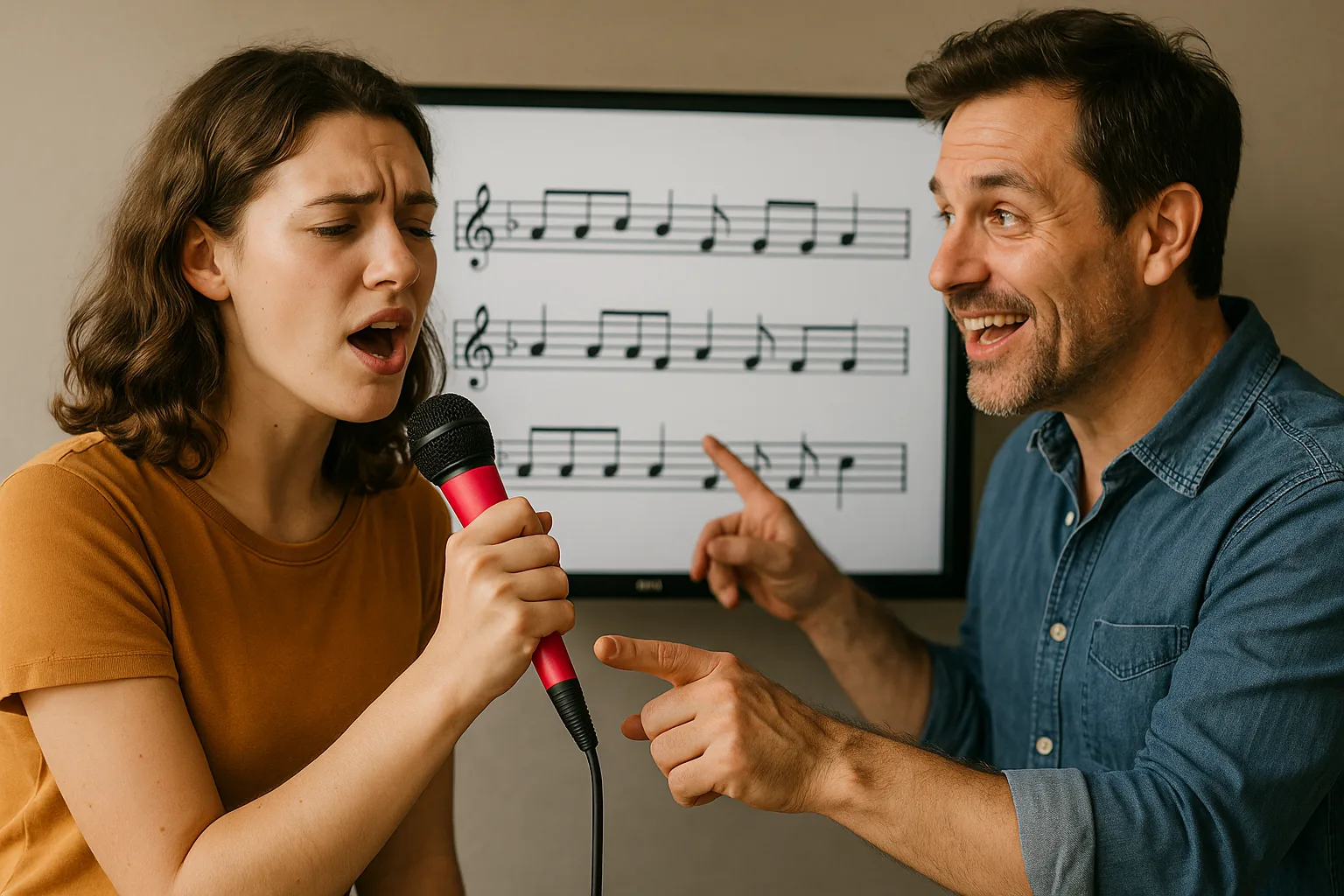
Голосовой успех в Владивостоке: техники, онлайн-занятия и советы для начинающих и профи
Тонкости качества звука: как искусство восприятия влияет на ваши вокальные данные